
Setting the Look: How We Conducted a Real-World Lens Test
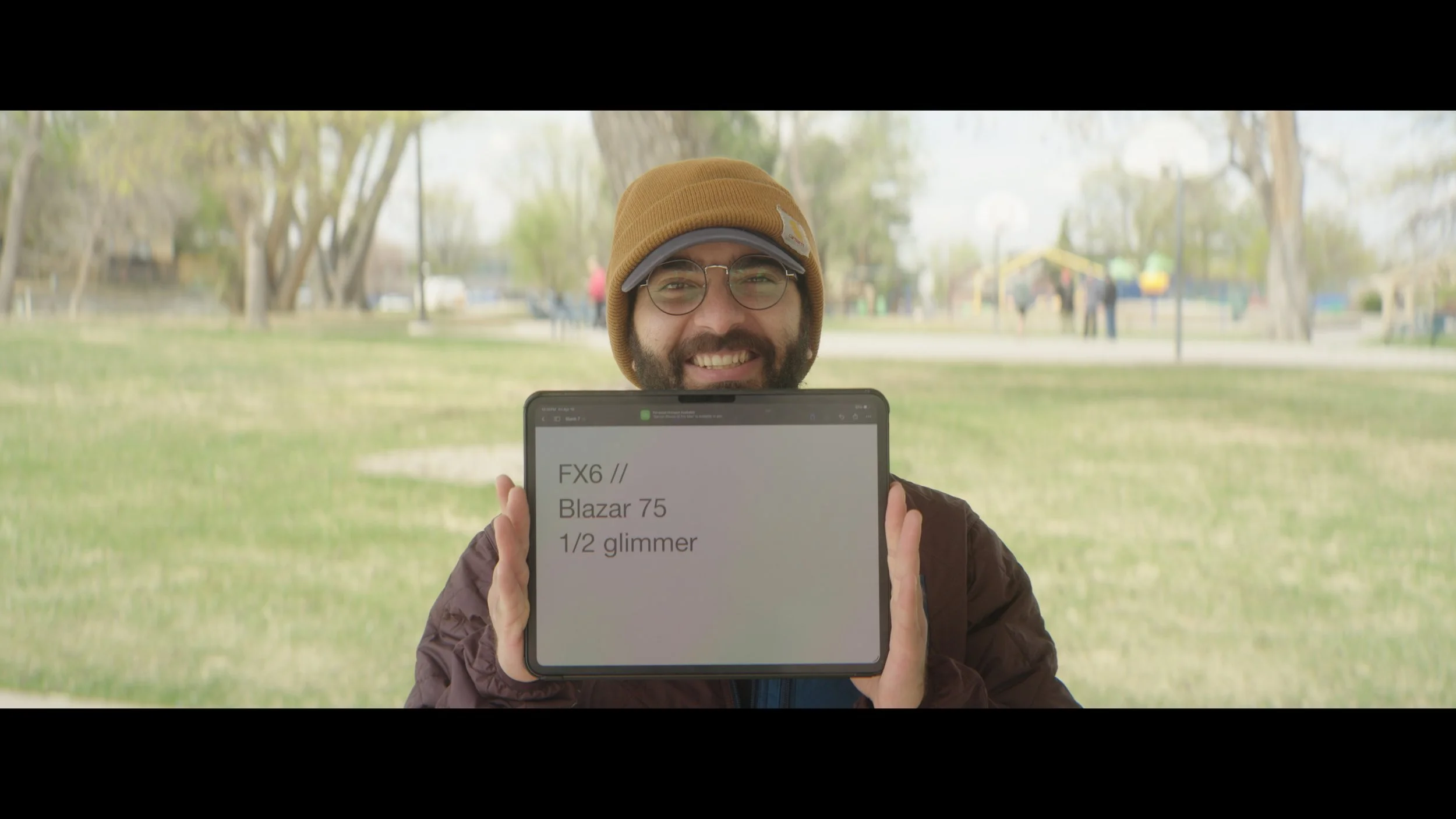
When we started prepping for Becoming Colorado, one thing was clear right away—this project needed a consistent visual language that could carry across months of filming, multiple locations, and a wide range of subjects. That doesn’t happen by accident. It starts with a proper lens test.
We approached this the same way we approach any major production at Mile High Films—methodically, but grounded in real-world conditions.
Why We Tested
This wasn’t about pixel-peeping charts or lab conditions. We needed to understand how different lenses would actually feel on camera.
The series features Coloradans with a wide variety of ages—people with lived-in faces, character, and history. That meant we were paying close attention to contrast and how lenses handled skin texture. Some lenses can exaggerate wrinkles in a way that feels harsh or clinical. Others naturally soften that contrast in a more flattering, cinematic way.
At the same time, we were exploring how far we could push the visual style without it becoming distracting. That’s where anamorphic came into the conversation.
The Setup
We shot everything on the Sony FX6—a camera we trust for its dynamic range and flexibility.
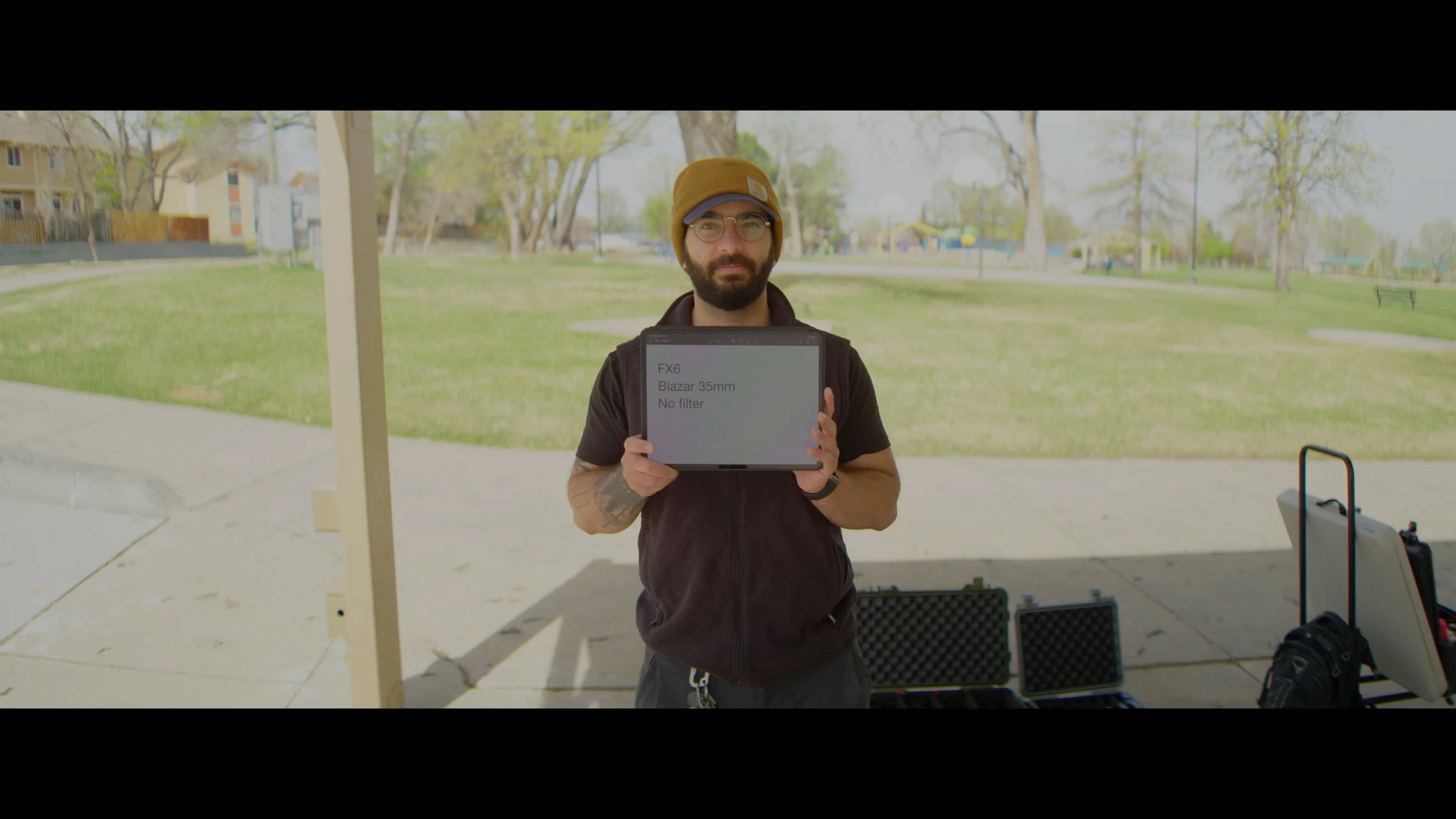
Instead of testing indoors, we chose a secluded, covered exterior location. That gave us natural light with enough control to evaluate contrast, highlight rolloff, and how lenses reacted in real-world conditions. It’s one thing to test in a studio—it’s another to see how glass performs in the environments you’ll actually be shooting in.
The Lenses We Compared
We put three categories head-to-head:
Tokina Cinema Zooms (Super 35)
Reliable, clean, and built for production work. These gave us a solid baseline.Sony Still Lenses
Sharp and modern—but in some cases, almost too sharp for what we wanted.Blazar Mantis Anamorphic Lenses
These were the wildcard. We were looking closely at character—flaring, contrast, and potential barrel distortion.
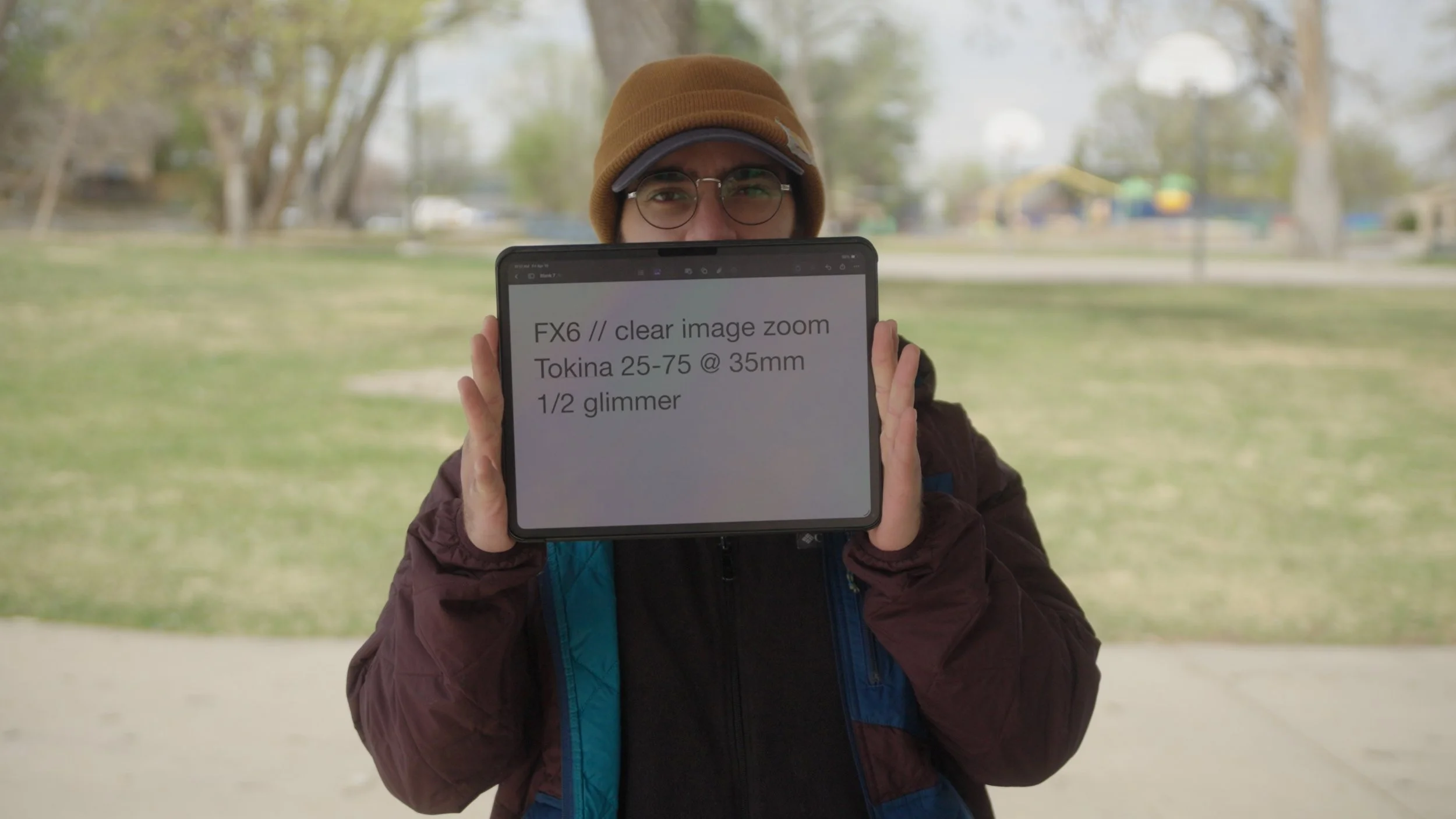
The anamorphic lenses immediately stood out. They introduced subtle imperfections—gentle distortion, unique flares, and a softer overall rendering—that felt more cinematic and less “digital.”
We paid special attention to barrel distortion. It was present, but controlled—and ultimately added more character than distraction.
Diffusion: Getting Away from the “Video Look”
Lenses were only part of the equation. We also tested multiple diffusion filters to take the edge off the image.
Modern digital cameras can feel overly crisp, especially in documentary work. We wanted to avoid that “video” look without losing detail.
After testing several options, we landed on a 1/4 Glimmerglass. It gave us just enough highlight bloom to soften the image and add a subtle glow—without calling attention to itself.
That balance was key. You feel it, but you don’t notice it.
Keeping It Organized (This Matters More Than You Think)
One of the most practical things we did ended up being one of the most important.
We used an iPad as a slate at the start of every clip—clearly labeling:
Camera settings
Lens
Filter
And we made sure that slate appeared on the first frame of every take.
It sounds simple, but in the edit bay, it made comparing footage fast and precise. No guessing. No digging through notes. Everything was right there on screen.
Locking the “Recipe”
This process wasn’t just about picking a lens—it was about defining a repeatable look.
A project like Becoming Colorado spans time, geography, and storylines. Without a consistent visual approach, it can start to feel disjointed.
By the end of the test, we had our answer:
Anamorphic lenses for character and cinematic feel
Controlled diffusion for subtle softness
A workflow that ensured consistency across every shoot
That combination became our “recipe.”
Final Takeaway
Lens tests don’t need to be complicated—but they do need to be intentional.
Get out of the studio. Shoot in real conditions. Pay attention to how images feel, not just how they resolve. And build a system that lets you repeat that look over time.
That attention to detail is a big part of what makes Mile High Films one of the best Denver video production companies. It’s not just about capturing footage—it’s about designing a visual language that holds together from the first shoot day to the final cut.