
Creating Videos for the Legal Industry: Why Efficiency Matters Most
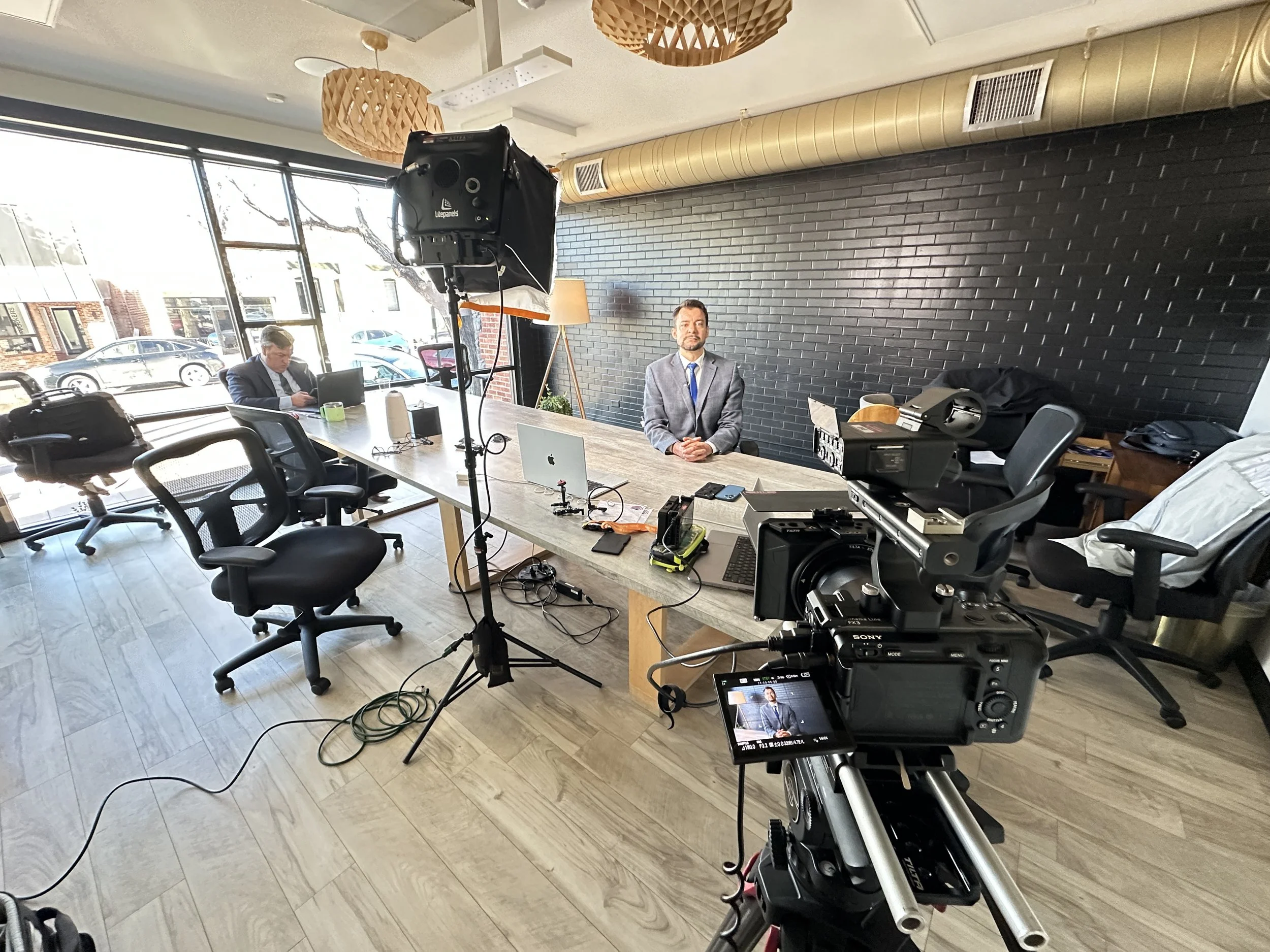
Producing video content for attorneys requires a uniquely disciplined approach. Law firms operate on tight schedules, billable hours matter, and attorneys need to appear confident, credible, and composed on camera. After years of filming in this space—brand stories, attorney profiles, expert commentary videos, and recruitment pieces—one lesson stands above the rest: efficiency is everything.
A well-planned, well-directed production allows lawyers to step in, deliver strong messaging, and get back to their day without disruption. When the production runs smoothly, the end result reflects professionalism at every level.
Directing Attorneys Starts Long Before the Shoot
When working with legal professionals, thinking like a director is critical. Attorneys do not spend their time on camera regularly, so even small adjustments make a meaningful difference in how polished they appear.
Provide wardrobe guidance early
Well-chosen wardrobe communicates confidence, clarity, and trust. Each attorney should receive guidelines before the shoot, including:
Solid, neutral colors
Avoid pinstripes, herringbone, loud patterns, or complex weaves
Avoid bright whites or overly saturated colors
Choose structured jackets and clean collars
Avoid jewelry that reflects light or creates noise
Pinstripes are especially problematic. While they often look sharp in person, thin lines can moiré on camera, creating a shimmering pattern that distracts from the message. One patterned blazer can ruin an otherwise clean frame.
The more specific you are upfront, the less time you spend correcting preventable issues on set.

Plan for Makeup, But Use It Carefully
Skin shine is one of the biggest challenges when filming inside conference rooms, office environments, or boardrooms. You can light your subjects well, but studio lights combined with overhead workplace lighting can emphasize shine quickly.
The simplest solution is to bring a small makeup kit that includes oil-reducing wipes. They are effective, non-intrusive, inexpensive, and do not alter skin tone.
Powder works—but it comes with risks.
It can create mismatched tones across the face
It easily transfers to wardrobe
One touch-up can ruin a suit jacket, especially dark fabrics
And yes—one spilled compact can absolutely destroy an outfit. That mistake only needs to happen once to learn the lesson permanently.
When possible, reduce shine before applying lights. Fixing it after someone is already wired, mic’d, and staged interrupts momentum.
Keep Shoot Flow Tight, Short, and Structured
Attorneys appreciate a schedule with clear expectations:
When they will be needed
How long each on-camera session will last
What content will be covered
Who else is involved
When they can return to billable work
Producing legal-industry content is not about dragging the day out. In most cases, the tighter your structure, the better the results.
A clean flow typically looks like:
Bring attorney into the set area
Quick wardrobe and lighting check
Tone down shine
Confirm talking points
Roll
No down time. No wandering around the office. No unnecessary resets.
A director who controls the environment, communicates clearly, and keeps energy moving instantly earns trust—from both the firm and the individuals on camera.
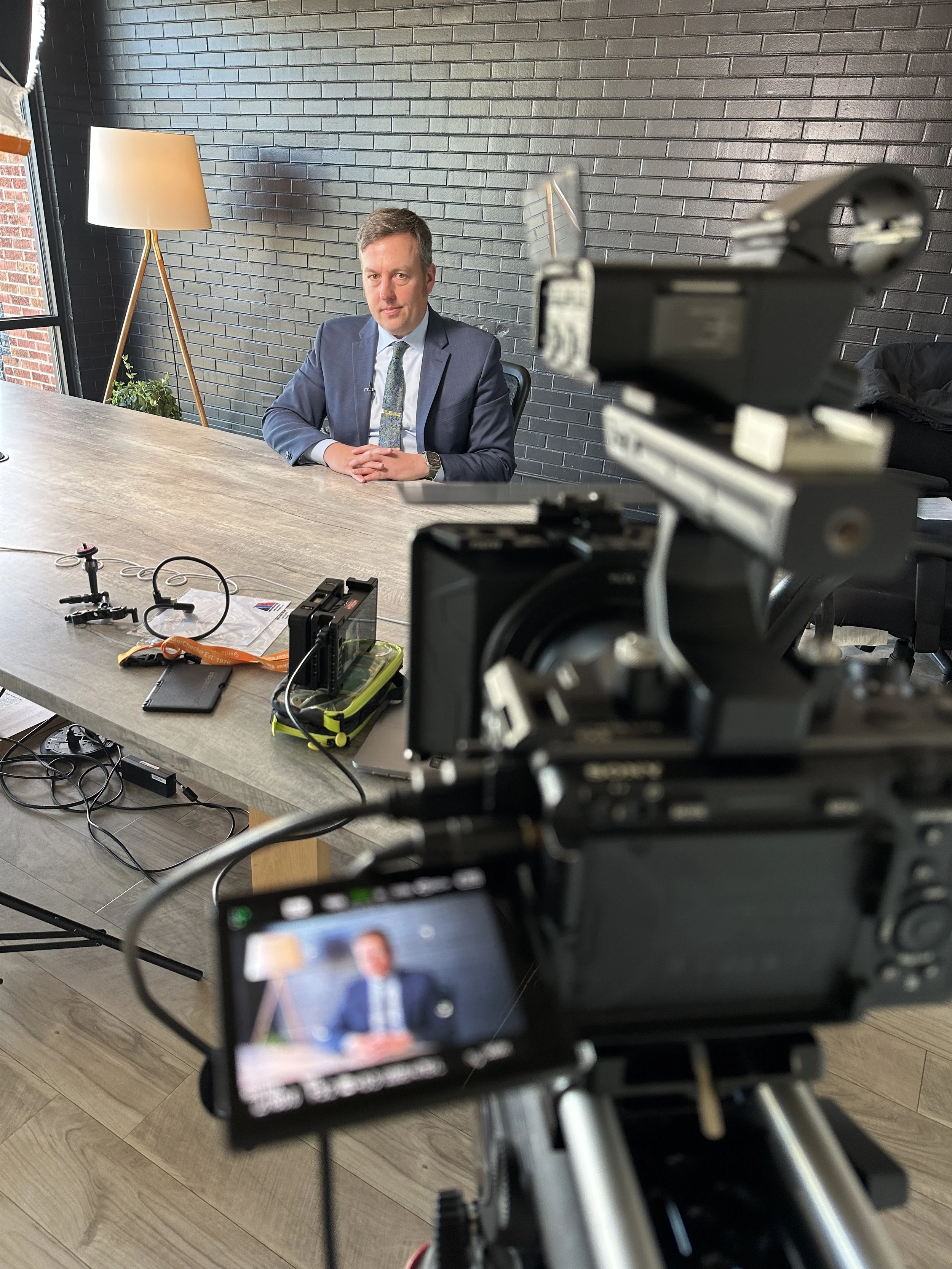
Presenting Attorneys at Their Best
The ultimate goal is simple: make attorneys look as sharp on screen as they do in the courtroom or conference room.
Your approach as a director shapes that outcome:
Calm tone and steady guidance build confidence
Specific direction reduces tension
Efficiency communicates respect
Preparation eliminates distractions
Attention to visual details ensures polish
When attorneys feel supported and prepared, authenticity comes through. When a production is disorganized or slow, nerves take over—and the camera picks up every bit of it.
Final Thoughts
Legal-industry video production rewards precision. The smoother you make the process, the better the performances, the stronger the messaging, and the more trust you build with the firm.
Small, thoughtful decisions—sending wardrobe notes in advance, avoiding problematic patterns, managing shine without overusing powder, and running an efficient set—create a final product that reflects professionalism on every level.