
Filming a Clean Green-Screen Interview: Practical Tips From Set
Green screen interviews are a powerful tool in modern videography, offering endless flexibility for branding, motion graphics, and environmental replacements. When executed correctly, they give a videographer complete control over the look and tone of the final image. The key is capturing clean, consistent footage on set so the post-production process is smooth and efficient.
Keep the Screen Taut and Evenly Lit
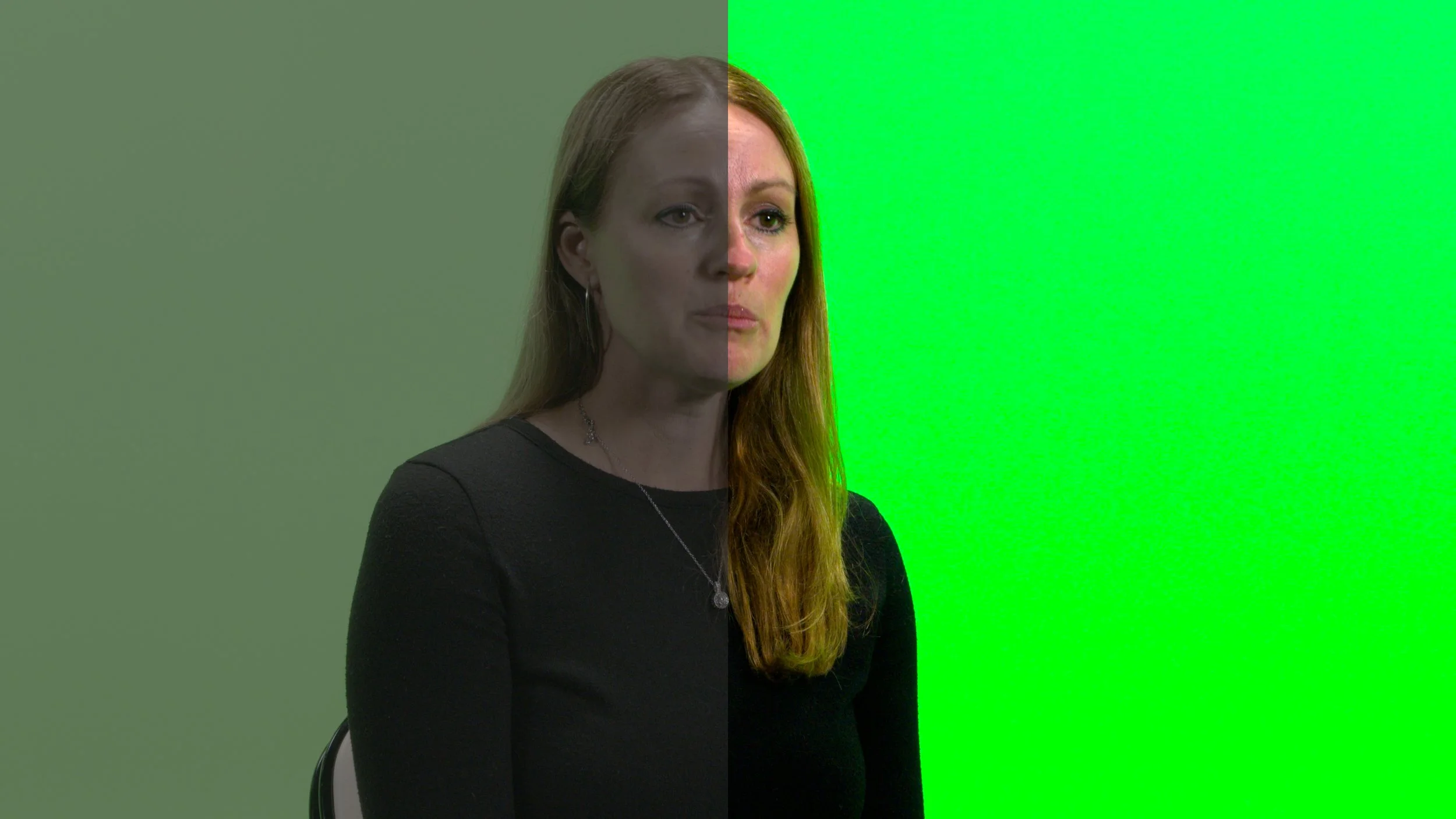
A successful green-screen key begins with the background itself. The screen must be pulled tight so there are no wrinkles, folds, or texture variations that create shadows. For any videographer, consistent lighting across the entire backdrop is essential. Use soft, even illumination so the green values match from edge to edge. Hot spots or dark corners introduce multiple shades of green, which complicate the key and lead to rough edges in post.
You Don’t Need Full-Frame Coverage
One common myth in videography is that the green screen must fill the entire frame. In reality, the only requirement is that the subject is fully surrounded by green. If the top corners of the frame fall outside the screen, that’s fine—they’ll be removed once the background is replaced. This gives the videographer more flexibility in tight spaces or when using a smaller screen, as long as the talent stays comfortably inside the green area.
Mind the Hand Gestures and Composition
Composition plays a critical role in a clean key. If your subject gestures outside the frame, you dramatically reduce your ability to reposition them during the edit. For example, if you film them centered but later want to justify the speaker left or right, those out-of-frame fingertips will be cut off. This looks unprofessional and limits your creative control.
Professional videography benefits from a few simple precautions:
Frame wider than usual.
Coach your talent to keep gestures within a predictable zone.
Monitor the edges carefully throughout the interview.
These habits give you maximum flexibility when designing backgrounds or graphics later.

Avoid Green Spill by Increasing Distance
One of the biggest mistakes in green-screen videography is placing the subject too close to the backdrop. When they’re only a foot or two away, the screen’s bright green light reflects onto hair, clothing, and skin. This green spill is difficult to remove cleanly and can compromise the quality of the shot.
The simplest solution is distance. A skilled videographer keeps the subject as far from the screen as possible to minimize spill and preserve natural skin tone. This often requires a larger backdrop, but the improvement is substantial.
If space is limited, you still have two options:
Lower the intensity of the green-screen lights so the screen reflects less color.
Increase the subject lighting to overpower any remaining spill.
Both methods help maintain clean separation between the subject and the background.

Final Thoughts
Green-screen interviews are a staple of high-quality videography, and when filmed properly, they give editors and designers tremendous creative freedom. With a taut backdrop, even lighting, smart composition, and proper subject distance, a videographer can capture footage that keys beautifully and elevates any project.
If you’re planning a green-screen interview and want support from an experienced team, Mile High Films can handle everything from pre-production to final delivery—with clean, cinematic results that reflect the highest standards of professional videography.