
Why the Best Video Production Still Wins in the Age of AI
AI can write scripts. It can generate images. It can even create synthetic voices and digital avatars.
But when it comes to authentic storytelling and brand perception, professional video production still wins.
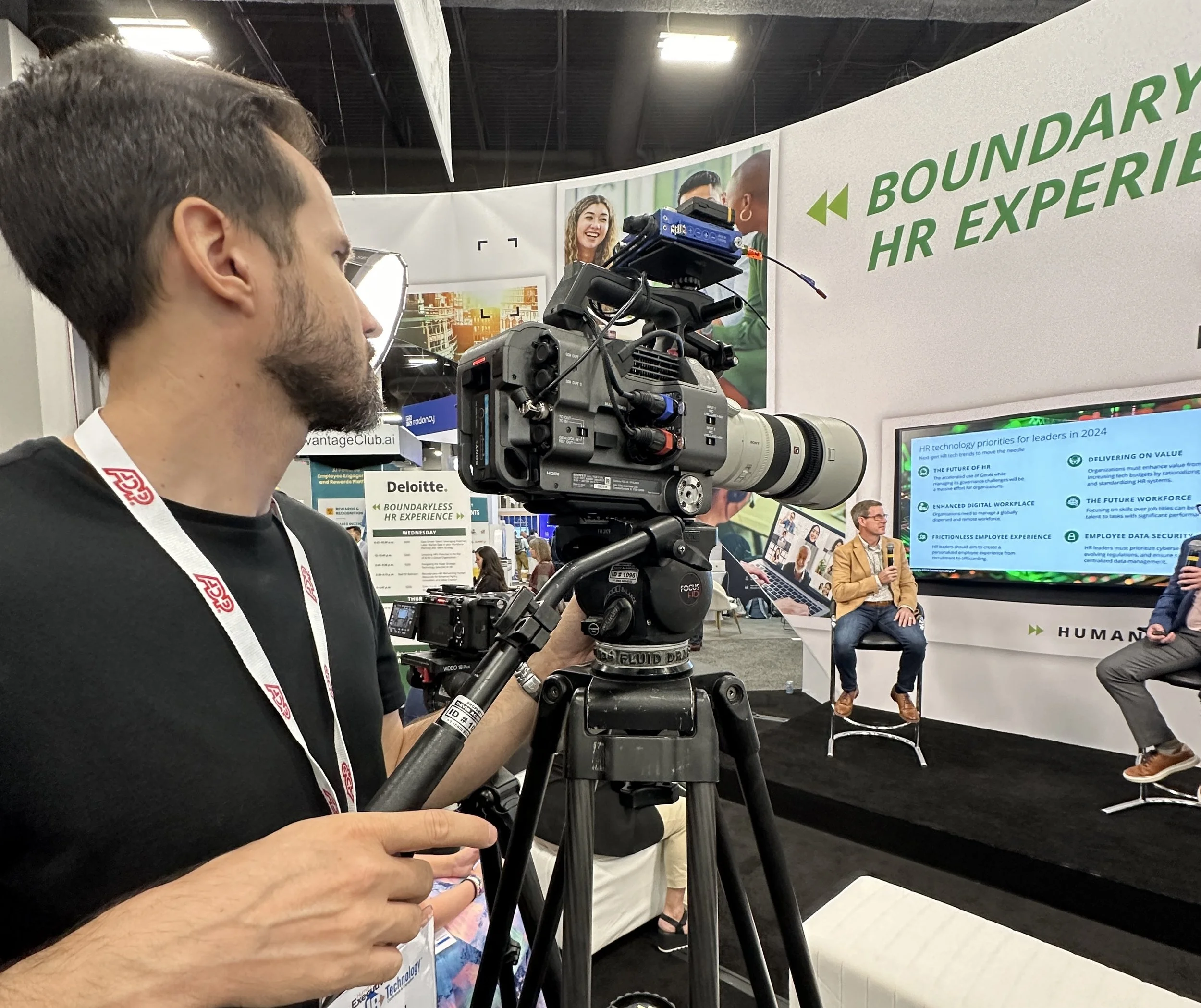
As production tools become more accessible, the real differentiator is no longer access. It’s judgment. That’s why businesses searching for the best Denver videography services are not simply looking for someone with a camera. They are looking for experience, strategy and taste.
1. Authentic Human Presence
AI can simulate expression. It cannot replace lived experience.
When a founder talks about building a company from scratch. When a nonprofit leader explains why the mission matters. When a customer shares how a product changed their business.
Those moments carry emotional weight because they’re real. A camera captures micro-expressions, hesitation, confidence and vulnerability. That is what audiences connect with.
Professional production doesn’t manufacture authenticity. It protects it.
2. AI Cannot Conduct a Real Interview
This is one of the clearest lines between artificial content and professional filmmaking.
AI cannot sit across from a CEO and sense when to ask a deeper follow-up question.
It cannot notice when someone’s body language shifts and gently guide them back to the heart of the story.
It cannot build trust in the room.
Great interviews are not scripted performances. They are conversations.
A skilled director knows when to pause. When to push. When to let silence breathe. Often the most powerful soundbite is something that was never written down.
You cannot generate that moment with software. You have to earn it.
For companies seeking the best Denver video production, the difference often shows up most clearly in the quality of interviews. Strong interviews feel natural, confident and emotionally grounded. Weak ones feel rehearsed or flat.
That difference comes from experience in the room, not from automation.
3. Strategy Before the Lens
Anyone can hit record. Fewer people ask the right questions first.
What is the business objective?
Who is the target audience?
Where will this video live?
How will it convert viewers into action?
AI tools can help generate ideas. They do not replace strategic thinking.
Strong video begins long before the first frame is captured. It begins with intention and clarity.
4. Taste: The Invisible Advantage
Professional filmmaking is not just technical skill. It is taste.
Taste is knowing when a shot feels polished and when it feels amateur.
Taste is recognizing when music elevates a scene — and when it overpowers it.
Taste is understanding pacing, composition, wardrobe, background and tone.
Two people can use the same camera. The same lens. The same lighting kit.
One video will feel refined. The other will feel flat.
The difference is discernment. It’s the ability to say, “That doesn’t feel right,” and know why.
In a marketplace saturated with content, audiences may not articulate what makes something look premium. But they absolutely sense it. That discernment is what separates average results from the best Denver videography.
5. Craft Still Matters
Lighting shapes perception.
Sound design shapes emotion.
Editing shapes narrative momentum.
A professionally produced video feels intentional because it is intentional. The pacing is considered. The visuals are balanced. The color is cohesive. The audio is clean and consistent.
Viewers might not consciously analyze these elements. But they trust brands that demonstrate them.
6. Trust Is Built Visually
In competitive markets, perception is everything.
If your website features generic, low-quality content, it communicates something about your standards. If your video communicates clarity, professionalism and confidence, that message extends to your entire brand.
When companies search for the best Denver videography, they are ultimately searching for a partner who understands how visual quality impacts credibility.
7. AI Is a Tool. Not a Replacement.
AI has real value. It can assist with scripting support, transcription and workflow efficiency.
But storytelling still requires a director’s eye. A producer’s foresight. A cinematographer’s instinct.
Technology evolves. Human judgment remains the differentiator.
In a landscape flooded with quick content, thoughtful video stands out even more.
The goal is not simply to produce more. It is to produce work that reflects who you are and what you stand for.
And that still requires experience, strategy, and taste behind the lens.