
Best Practices for Interviewing Attendees at Conferences and Trade Shows
Conducting on-camera interviews at conferences, trade shows, and live events requires a balance of speed, consistency, and editorial discipline. Whether you’re capturing testimonials, soundbites, or short reactions for an event recap, a few fundamental interview techniques can dramatically improve the final edit. These principles apply to videography and video production teams working in Denver or anywhere else covering meetings, conventions, and large-scale live events.
Choose an Eyeline—and Stick With It
One of the most common mistakes in conference interviews is mixing eyelines. Decide early whether interviewees will look directly into the camera or slightly off-camera toward an interviewer. Once you choose, stick with that approach for every interview at the event.
Consistency matters in post-production. Mixing eyelines makes edits feel disjointed and less polished, especially when interviews are cut together in a fast-paced highlight video.
Balance the Frame Based on Eyeline
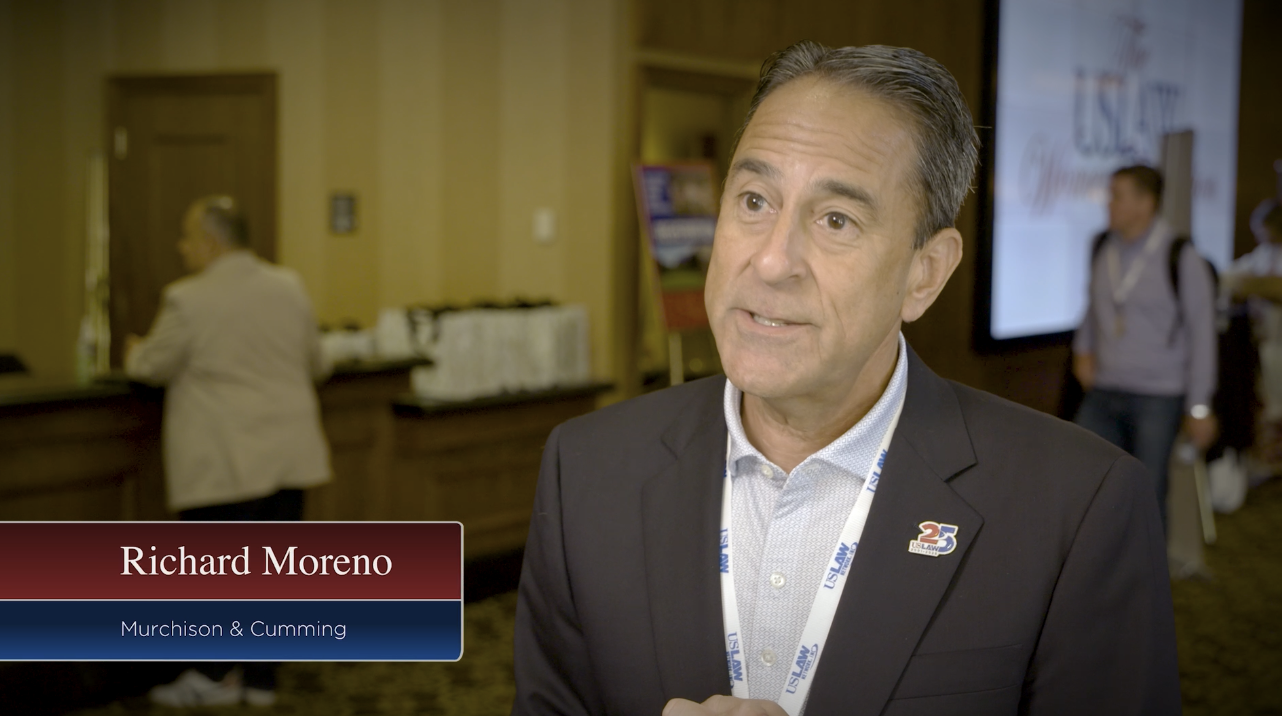
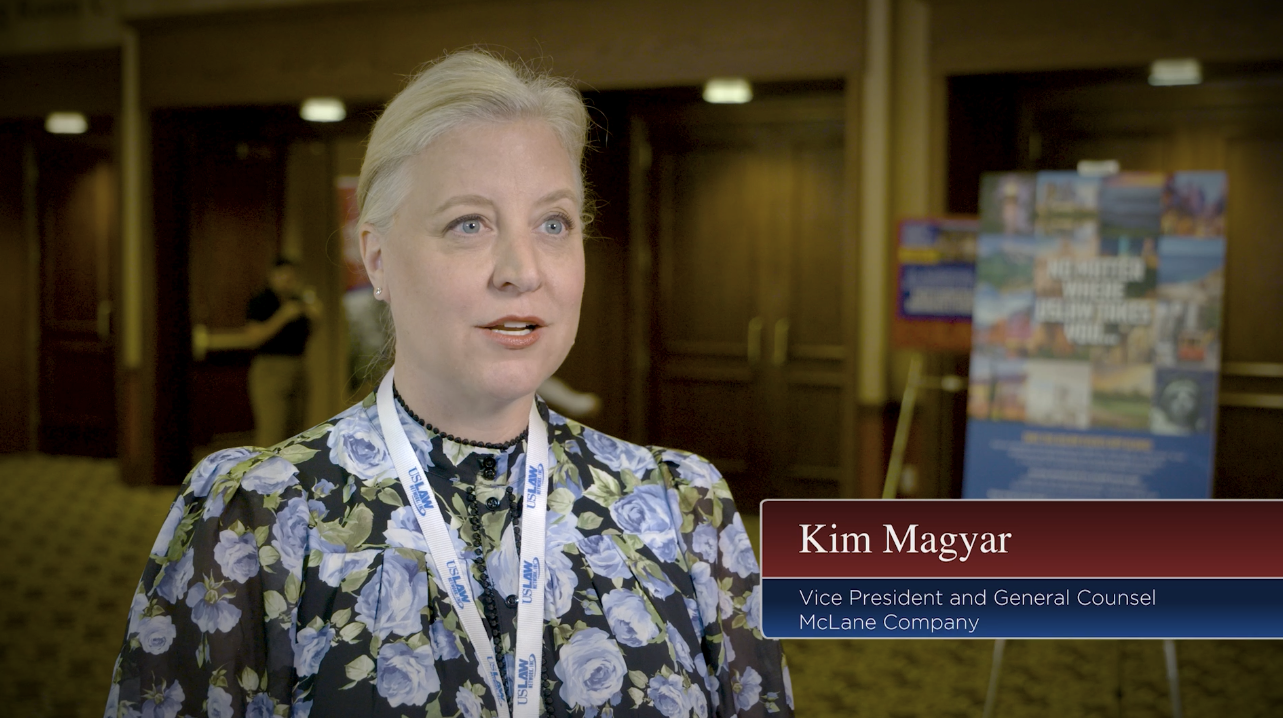
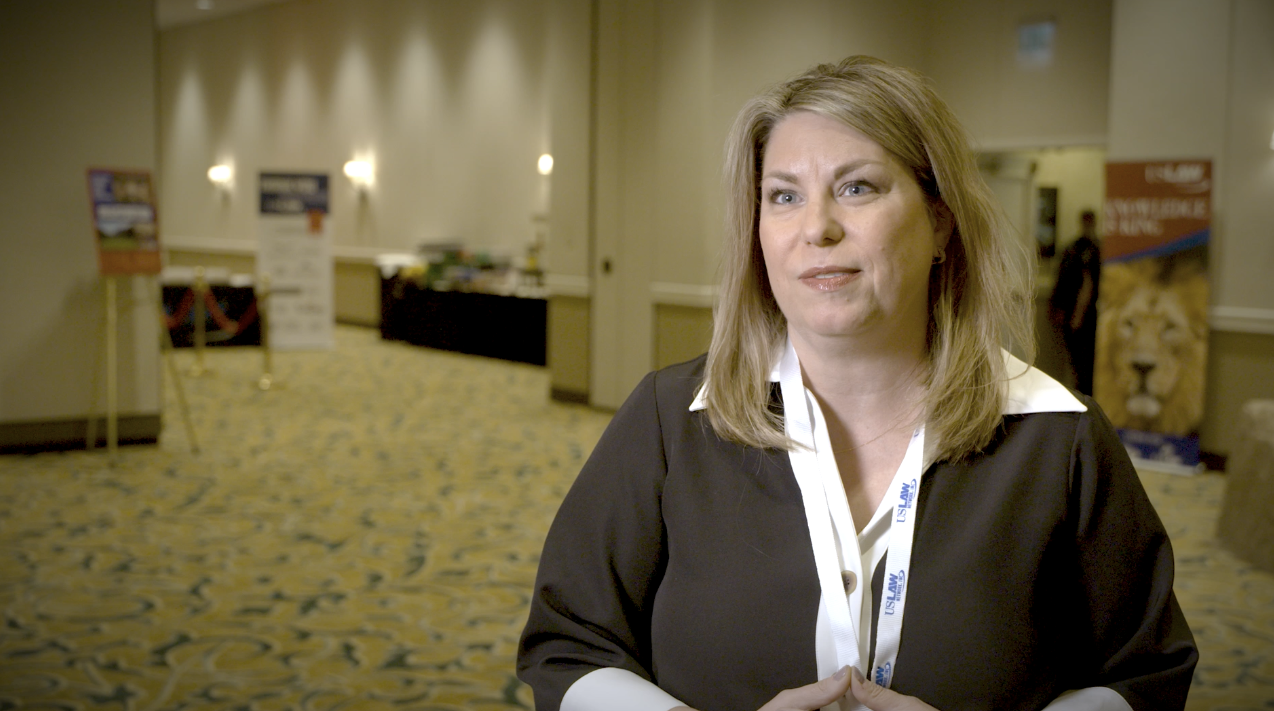
If you’re using an off-camera eyeline, alternate the direction people look. Roughly half of the interviewees should look camera-left, and the other half camera-right. Just as important, frame them correctly:
If someone is looking left, keep them right-justified in the frame.
If someone is looking right, keep them left-justified in the frame.
This framing serves two purposes. First, it creates clean, intentional space for lower-third graphics with names and titles. Second, it avoids wasted negative space. If a subject is looking left and also left-justified, the right half of the frame becomes dead space with no visual or editorial value.
Thoughtful framing like this is especially important in conference and meeting videos, where interviews are often short and need to feel visually dynamic when cut together.
Always Start With Name and Title—Spoken and Spelled
One of the most effective interview habits I’ve developed over years of live event video production is starting every interview the same way, even the very short ones.
Before any content questions, have the interviewee:
Say their full name
Spell their name
State their job title
This has two major advantages. First, it eliminates guesswork later when creating graphics. You’re not hunting through notes, guessing spelling, or trying to identify someone from a crowded conference floor. Even if you later refine the job title for clarity, you have a solid starting point.
Second, it gives you valuable time to listen to audio levels and quality. If someone only says their name, that’s often not enough speech to truly evaluate the mic. Asking them to spell their name naturally creates a longer, more useful audio sample without the awkwardness of saying, “Can you talk for a second so I can check your levels?” It’s efficient, professional, and keeps the interview moving smoothly.
Coach for Complete Sentences
One of the most important roles of an interviewer—especially in fast-paced conference videography—is coaching interviewees to speak in complete, usable sentences.
For example, if you ask:
“What is the best part of attending this conference?”
And the response is:
“Networking.”
That answer may work in conversation, but it’s not usable in an edit. Encourage interviewees to restate the question in their answer:
“The best part of this conference is the networking.”
That single adjustment turns a vague response into a strong, standalone soundbite that can be used anywhere in your video—recaps, promotional clips, or future marketing assets.
Small Choices, Big Impact
Live events, conferences, and meetings move fast, especially in busy markets like Denver where production teams are often capturing dozens of interviews in a single day. These small, repeatable practices—consistent eyelines, intentional framing, structured interview starts, and coached responses—add up to cleaner edits, faster post-production, and more professional final videos.
Strong interview technique is one of the most valuable tools in conference video production. When done well, it elevates the entire piece and ensures the story of the event is communicated clearly, confidently, and effectively.