
Filming at a Dentist’s Office: What Video Producers Need to Know
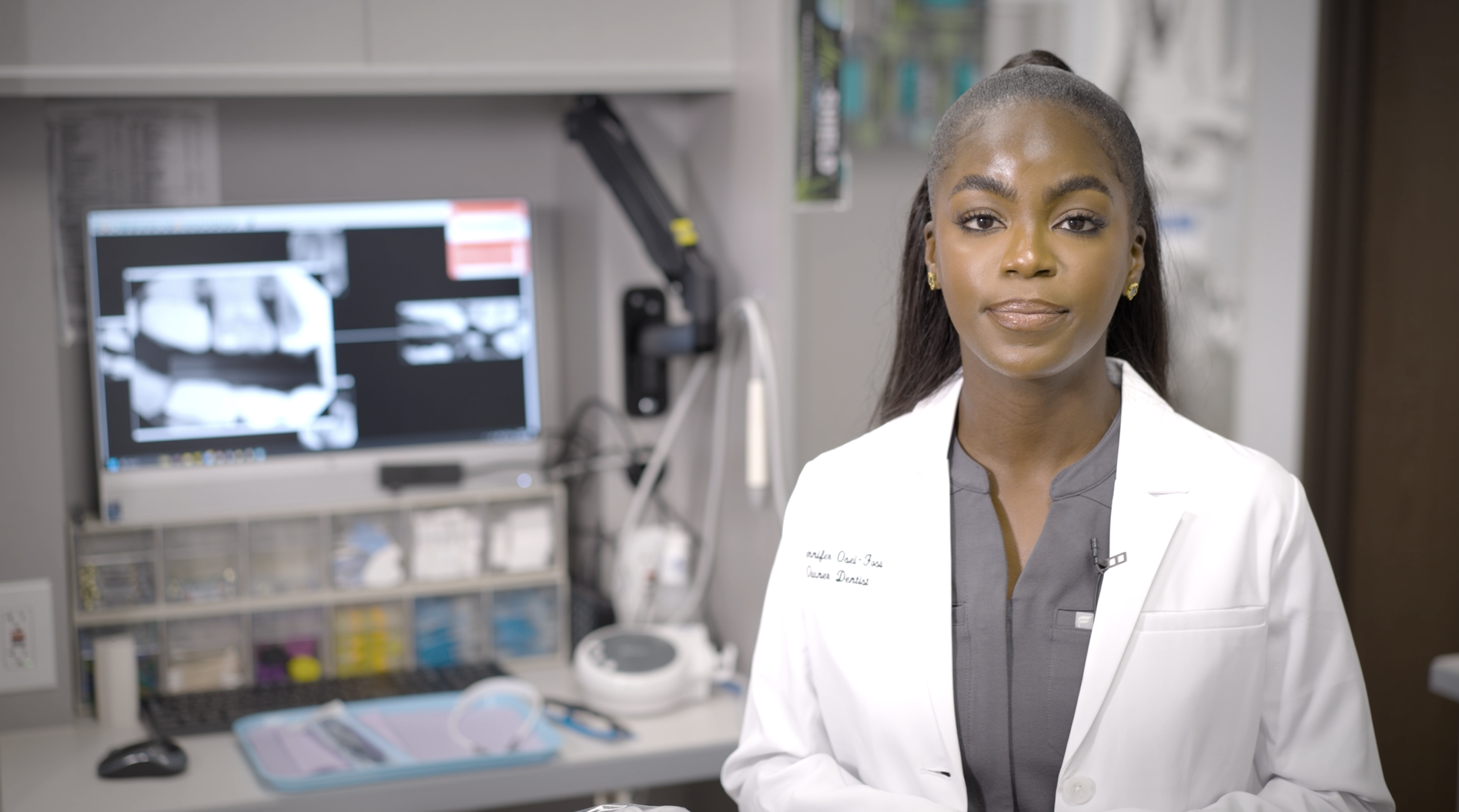
Filming inside an active dental office presents a unique set of challenges. Even when a dentist is paying for video production, their top priority is still patient care—and that means efficiency. Schedules are tight, rooms turn over quickly, and staff are focused on keeping the day moving. Understanding this environment, and working within it, is critical to a successful shoot.
Scheduling and Communication Come First
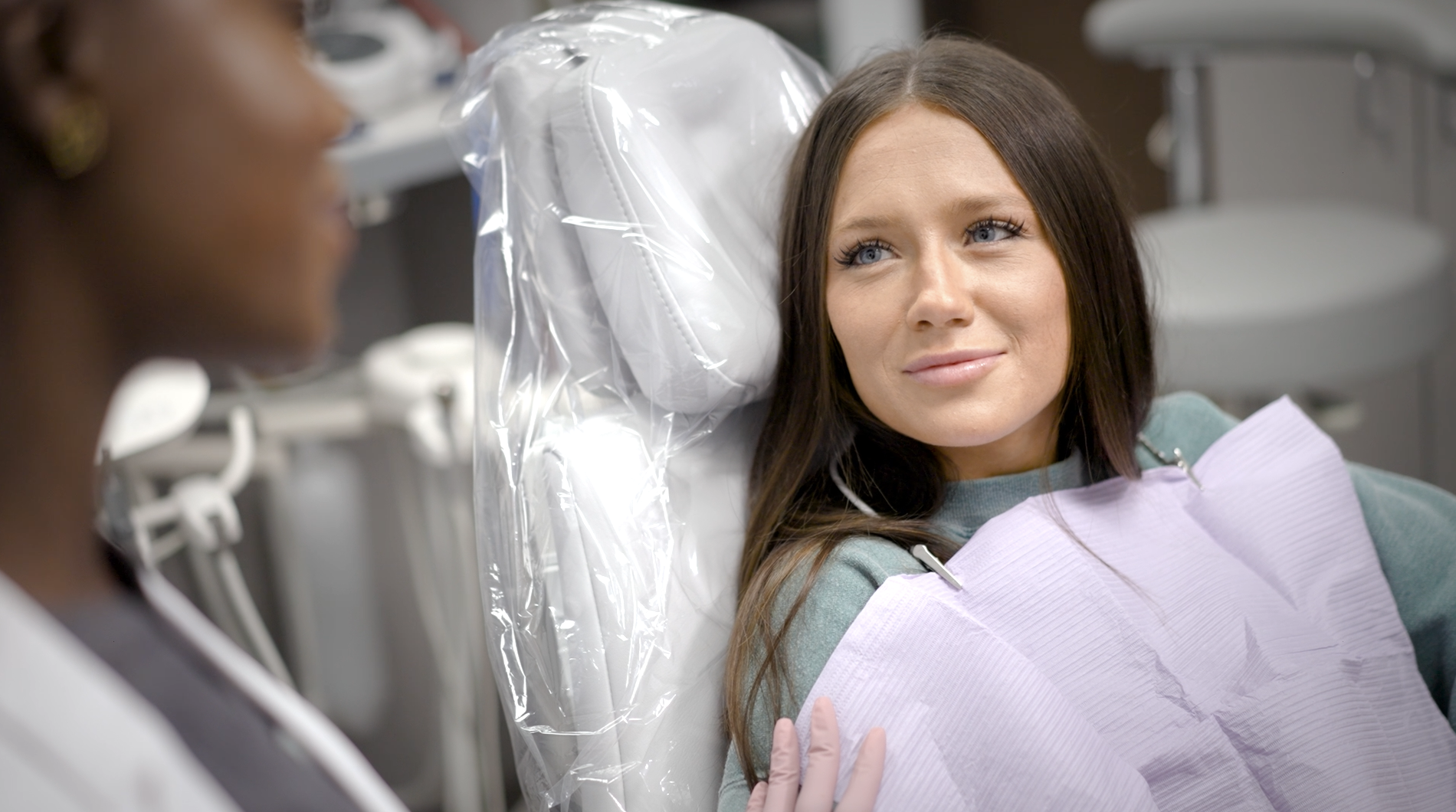
Clear communication with both the dentist and the office staff is essential. Everyone needs to understand the plan, the timing, and what will be required of them on camera. Even small delays can ripple through a busy schedule, so flexibility and efficiency go a long way in building trust.
I typically structure dental shoots in two parts: interviews and b-roll. Whenever possible, I shoot the interview first. It gets the most important piece of content out of the way early, minimizes stress for the dentist, and allows the rest of the shoot to flow more organically.
Capturing Real Dental B-Roll
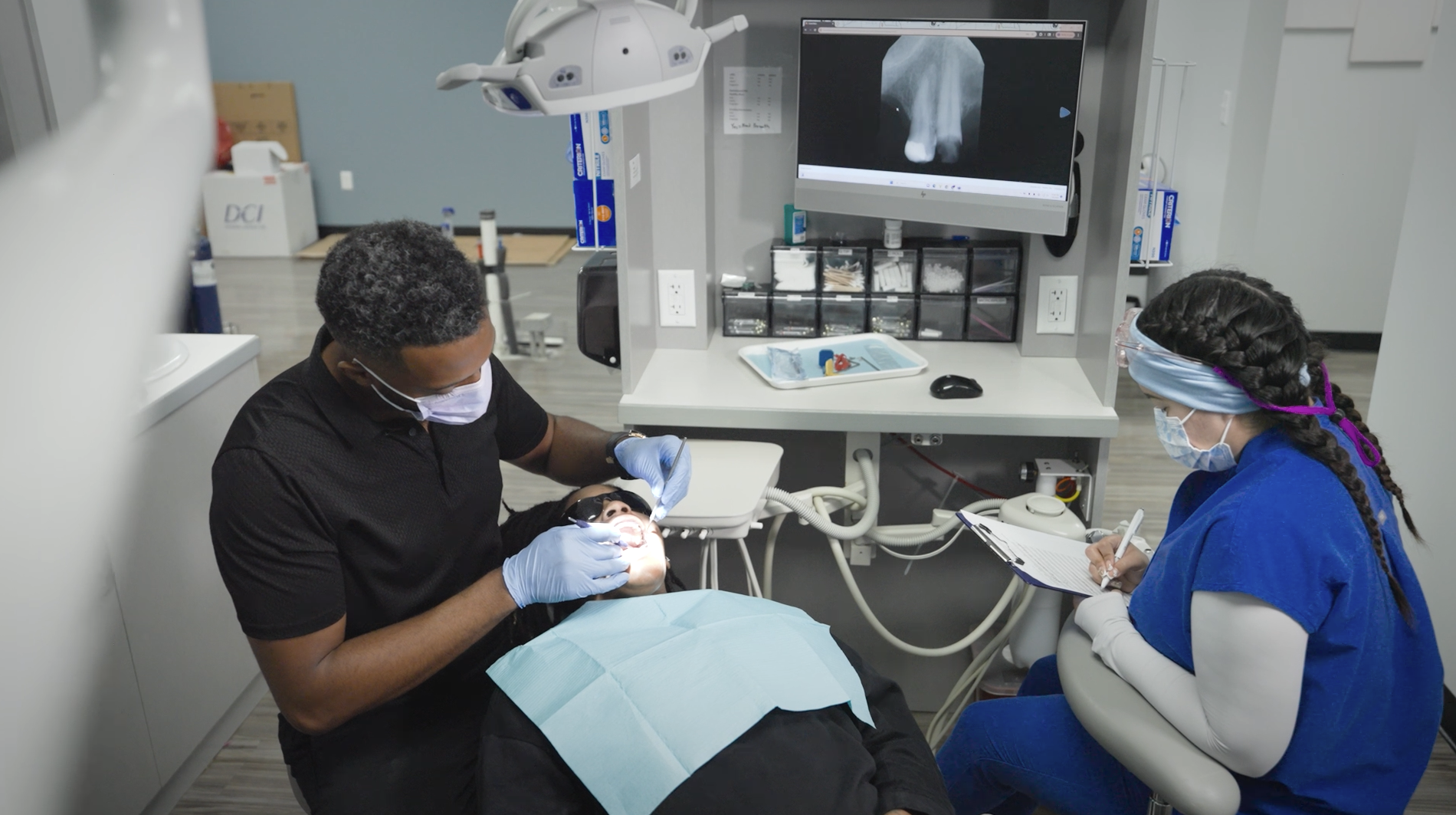
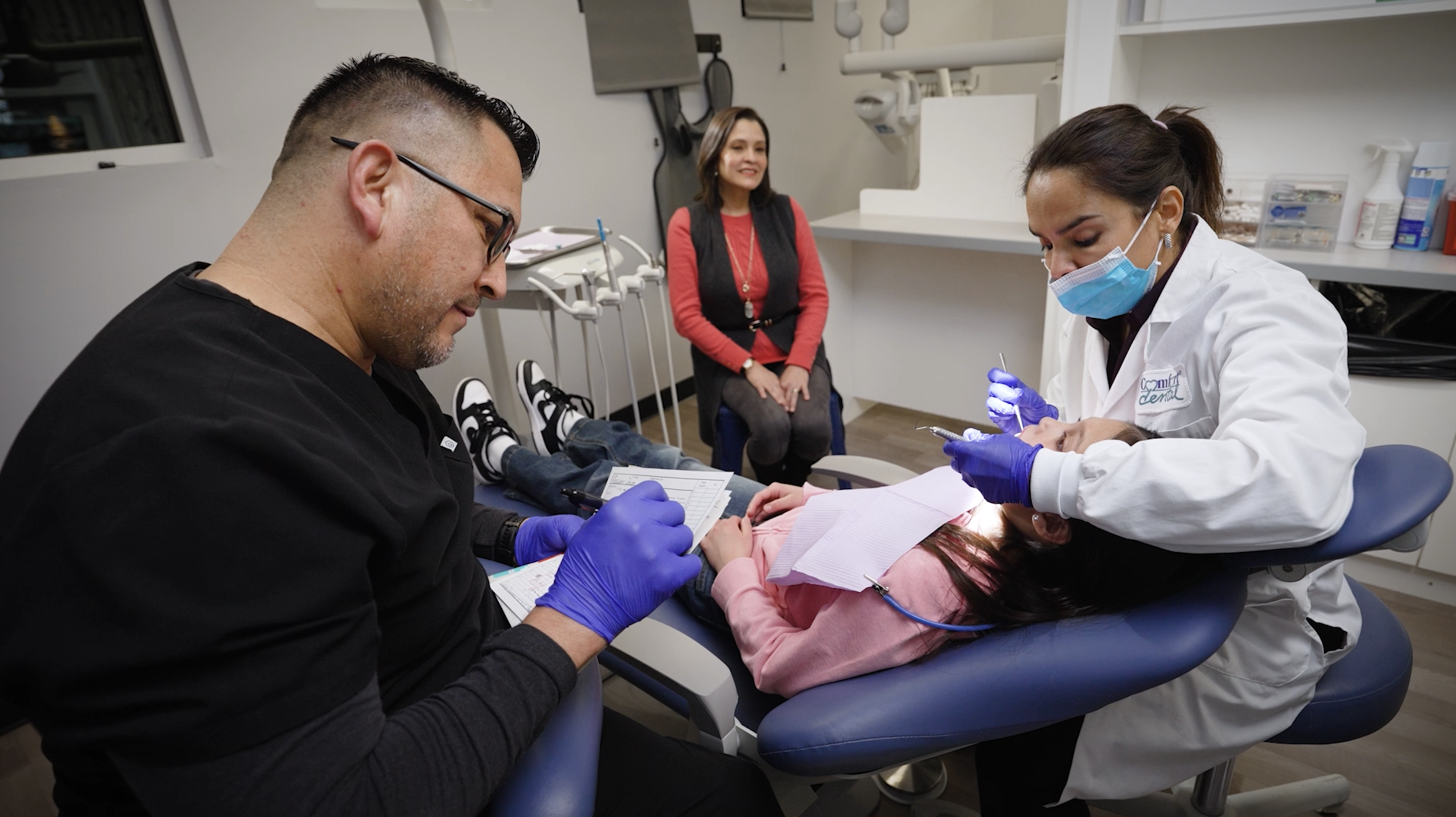
After the interview, I move into b-roll—usually focusing on the dentist interacting with patients, performing exams, and working with staff. Exam shots are almost always required, as they visually reinforce authenticity and professionalism.
Real patients are ideal, but permission is non-negotiable. If a patient agrees to be on camera, I record a short consent clip where they clearly state and spell their name and confirm that they give permission for their likeness to be used in video and broadcast. This simple step protects everyone involved and avoids complications later.
Creating a Cinematic Look Without Losing Authenticity
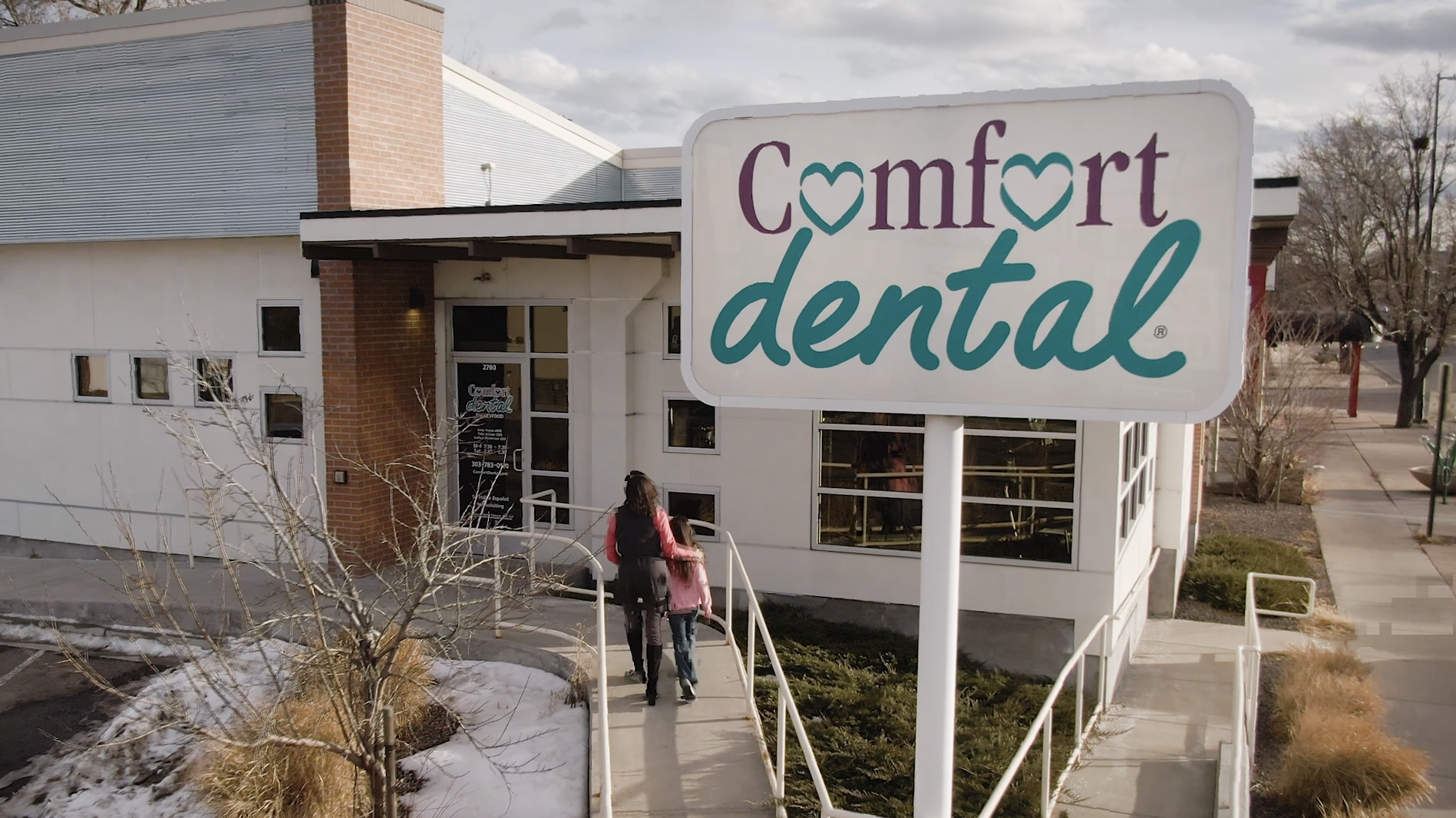
For b-roll, I strongly prefer using a gimbal and shooting in slow motion. This approach adds polish and visual interest while helping the footage feel intentional and elevated. I generally avoid 24fps handheld shooting in this environment, as it can drift into a documentary feel that doesn’t always align with dental marketing goals.
That said, authenticity still matters. Dental visits aren’t fun, and audiences know that. Leaning into honest moments—without over-stylizing—helps the video feel real and relatable rather than overly staged.
Sound Is Often the Biggest Challenge
Audio can be difficult in an active dental office. Overhead music, staff conversations, and dental instruments all compete with clean dialogue. Before rolling, it’s important to ask staff to turn off music, keep voices down nearby, and pause the use of loud tools when possible.
Even with cooperation, interruptions happen. Interviews may need to be paused and restarted to work around noise. For this reason, the ideal scenario is filming interviews when the office is closed—but that’s often hard to schedule. When it isn’t possible, patience and clear communication are essential.
Lighting and Art Direction Make a Big Difference
Most dental offices rely on overhead fluorescent lighting, which isn’t flattering on camera. I always bring an LED light with adjustable color temperature and typically set it around 4000K to better match the ambient environment while improving skin tones.
Art direction is another small effort with big payoff. Exam rooms aren’t designed to look cinematic, but spending a few minutes tidying the background, arranging instruments, and adding subtle props can significantly elevate the final image.
Professionalism Goes a Long Way
Finally, be nice—especially to the office staff. They’re juggling patients, schedules, and workflow while accommodating a camera crew. Respect, gratitude, and flexibility not only make the day smoother, they often lead to better access and better footage.
Videography at a dentist’s office is all about preparation, efficiency, and empathy. When done right, it results in authentic, polished content that builds trust with future patients—without disrupting the practice that makes it all possible.